Casino Withdrawal Problems UK
Casino Withdrawal Problems UK
Most UK casino withdrawals that get stuck are blocked by one of eight things: the pending period, KYC, a bonus still running, a payment method mismatch, a financial vulnerability check, a large-win review, weekend timing, or a pattern flag on the account. Each one has a fix. This page covers all eight in order of how often they come up, plus the full escalation path when the casino will not pay.
Key takeaways
- Since February 2025, casinos must run a financial vulnerability check when net deposits exceed £150 in a 30-day window. It runs invisibly for 97% of players and does not affect your credit score.
- Casinos can restrict accounts commercially after a big win, but cannot withhold winnings already in your real-money balance without documented justification.
- Weekend withdrawals are slower. Casino payment teams work business hours. Open Banking does not stop on Friday night. Approval queues do.
- Withdrawing a much larger amount than usual can trigger a fraud flag even on a verified account. Contact support before the review drags.
- If a casino refuses to pay without a clear reason, escalate to IBAS after 8 weeks. ADR decisions are binding on the casino.
- The UKGC receives around 2,000 withdrawal complaints per year. The escalation system exists and works.
The eight reasons UK casino withdrawals get stuck
What is the casino pending period and why does it delay my withdrawal?
Most UK casinos hold a withdrawal in pending status for up to 72 hours before releasing it for processing. During this window the money is technically still in your account. Before the UKGC banned reverse withdrawals in October 2021, this was a deliberate retention mechanism. The casino could suggest you cancel and gamble the funds back. That practice is now prohibited for UKGC-licensed operators.
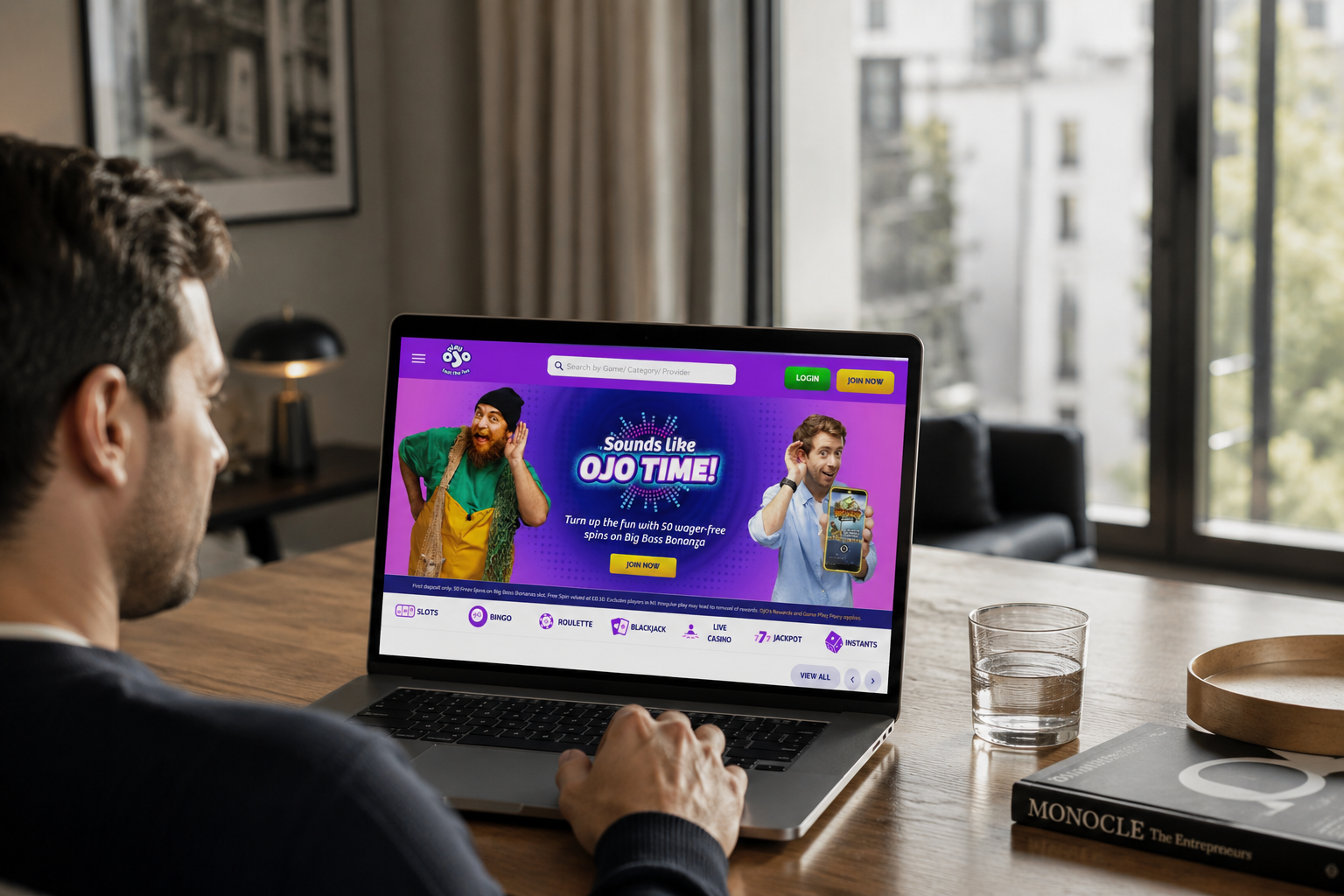
The ban is real, but the pending window itself was not abolished. Some casinos kept it. If your withdrawal is sitting as pending and you want it locked in place, ask support to manually flush it. PlayOJO has no pending period at all. Casumo has one but lets you lock the withdrawal irreversibly through the Wallet section.
Why is my casino withdrawal held for verification?
All UKGC-licensed casinos must verify your identity before releasing any withdrawal. If you have not completed KYC (passport or driving licence, proof of address, and often proof of your payment method) the casino cannot legally pay you until they do. This is the most consistent cause of a first withdrawal taking days rather than hours.
The fix is straightforward but only works before you have winnings to collect. Upload your documents the day you register. Most casinos process KYC within a few hours during business hours. Completing it in advance means your first withdrawal is treated the same as any subsequent one. Check your email and spam folder too. Document requests often go there without a notification appearing in your casino account.
Can I withdraw while a casino bonus is still active?
You cannot withdraw bonus-linked funds until wagering requirements are complete. If you deposited £20 and received a £20 bonus at 10x wagering, you need £200 in qualifying bets before that bonus converts to real money. Requesting a withdrawal mid-wagering does not pause things. At some casinos it voids the bonus entirely.
What the casino cannot do is hold back your own deposited funds. UKGC rules require your deposit balance and bonus balance to be displayed separately, and your deposit is withdrawable at any time even with a bonus active. If the casino is preventing you from accessing your own deposited money, that is a compliance breach worth escalating. The hold applies to the bonus and winnings generated from it, not to funds you put in yourself.
Why is my casino making me withdraw using the same method I deposited with?
UKGC-licensed casinos operate a closed-loop withdrawal policy: your winnings must return to the same payment method used to deposit. Deposit with Visa, withdraw to Visa. Deposit with PayPal, withdraw to PayPal. This is an anti-money-laundering requirement. Switching methods mid-cashout triggers a review and often a delay of several days.
The practical problem arises when the original method is no longer available: a card that expired, a PayPal account linked to an old email, or Paysafecard which cannot receive withdrawals at all. If this applies to you, contact support before requesting the withdrawal. Sorting out an alternative method takes time and documentation, and doing it while your winnings are sitting in a queue is significantly more stressful than doing it in advance. Our payment methods guide covers which methods are deposit-only.
What is a casino financial vulnerability check and will it delay my withdrawal?
Since 28 February 2025, every UKGC-licensed casino must run a financial vulnerability check when a player's net deposits exceed £150 in a rolling 30-day period. Net deposits means total deposits minus total withdrawals. Depositing £200 and withdrawing £100 leaves you at £100 net, still below the threshold.
For most players this check completes in seconds using publicly available credit reference data. The UKGC's own figures show fewer than 3% of active accounts trigger any intervention. It does not affect your credit score. The UKGC executive director confirmed in April 2026 that operators are not required to ask for payslips or bank statements as part of a standard check.
Where it can slow a withdrawal: if the automated check flags a concern, such as a recent bankruptcy order or active debt management plan, the casino may restrict further deposits while it investigates. What it cannot do is withhold winnings already converted to your real-money balance on the basis of the check alone. That money is yours. If the casino is sitting on confirmed real-money winnings while citing a vulnerability check, that is an escalation situation.
Withdrawing a significantly larger amount than your account history suggests can trigger an automated fraud flag, even on a fully verified account with no other issues. This is separate from the financial vulnerability check. The casino's risk systems notice a player whose typical withdrawal is £50 requesting £2,000 and flag it for manual review before releasing the funds.
Contact support proactively rather than waiting. Tell them you won a larger amount than usual, ask them to confirm the withdrawal request was received, and ask for an estimated review timeline. Getting this on record also protects you if the review drags and you need to escalate. You can demonstrate the casino was aware and had a timeline, which it then failed to meet.
Why is my casino withdrawal slower at the weekend?
Trustly and Open Banking move money on the UK Faster Payments network around the clock. Casino payment approval queues do not. Most UK casinos run payment teams during standard business hours Monday to Friday. A withdrawal submitted Friday evening may not be reviewed until Monday morning.
PlayOJO and Casumo both use automated approval systems for standard-sized withdrawals, which means those can process at any hour. At casinos without automation, every withdrawal needs a team member to review and release it. If you have a choice of when to withdraw, Monday to Wednesday mornings are consistently the fastest. Friday afternoon is the worst time to request a large withdrawal you want to see before the weekend.
Why is my withdrawal flagged as suspicious when I have done nothing wrong?
Depositing and withdrawing in rapid succession, using a different device or location than usual, or suddenly changing betting patterns can trigger automated risk flags even on accounts with no problems. These systems produce false positives. A player who deposits £50, wins £800, and tries to withdraw the same day looks statistically unusual to automated fraud detection even though none of it is remotely suspicious.
If a withdrawal is held for this reason, the casino is unlikely to say so clearly. "Under review" or "security check" is the usual language. The practical approach is identical to a large-win review: contact support, get it in writing, ask for a specific timeline. Document every interaction. If the timeline passes without resolution, start the formal complaint clock.
What to do if the casino will not pay
This is the escalation path for a withdrawal a UKGC-licensed casino is refusing to process without a clear legitimate reason. Go through these in order. The UKGC uses reports to track patterns rather than resolve individual disputes, so going to them first rather than IBAS is less effective for getting your money back.
Ask specifically why the withdrawal is held, which regulation or term applies, and what the resolution timeline is. A holding message is not a reason. Keep every chat log and email from this point. These are your evidence if the dispute escalates.
Every UKGC-licensed casino must have a formal complaints process, usually listed under Help or Terms. Submit your complaint in writing, reference the withdrawal date, amount, and method, and what you were told. This starts the 8-week clock the casino has to resolve it.
IBAS is the free independent dispute service approved by the UKGC. Every UKGC-licensed casino must participate. Submit your complaint, all correspondence, and the casino's final response or documented non-response. IBAS decisions are binding on the casino. Resolution typically takes up to 90 days. You do not need to wait 8 weeks if the casino is actively ignoring you. Submit earlier and document the non-response as part of your case.
The UKGC does not resolve individual disputes but takes enforcement action against operators with patterns of non-compliance. Report at gamblingcommission.gov.uk. The UKGC receives around 2,000 withdrawal delay complaints per year and uses this data when deciding on investigations and fines.
UKGC-licensed casinos on this site
Every casino below is licensed by the UK Gambling Commission. See individual reviews for tested withdrawal times and known issues.


Frequently asked questions
The most common reasons are incomplete KYC verification, an active bonus with wagering still outstanding, a payment method mismatch, or a large withdrawal triggering a manual review. Withdrawals requested late Friday through Sunday are also slower because casino payment teams run reduced hours at weekends. Contact support, ask for a specific reason in writing, and check your email. Many casinos send document requests there rather than via the site.
Since February 2025, UKGC-licensed casinos must run a financial vulnerability check when a player's net deposits exceed £150 in a rolling 30-day period. Net deposits means total deposits minus total withdrawals. The check is automated using credit reference data and runs invisibly for most players. Fewer than 3% of active accounts trigger any intervention. If it flags a concern, the casino may restrict further deposits but cannot withhold winnings already in your real-money balance without documented justification.
Yes, operators can commercially restrict accounts, but they cannot withhold winnings already converted to your real-money balance without a documented reason. They cannot retroactively change the terms that applied when you played. Ask for the specific reason in writing. If they cite a terms breach, ask exactly which clause. If no clear legitimate reason is provided, escalate to IBAS.
No. The check uses soft credit reference data only. It does not appear on your credit report in a way visible to lenders and has no impact on your credit score or ability to get a mortgage. The UKGC executive director confirmed in April 2026 that operators are not required to ask for bank statements or payslips as part of a standard financial vulnerability check.
For large withdrawals or accounts that have flagged concerns, yes. UKGC-licensed casinos have AML obligations and can request proof of income or source of funds, typically payslips or bank statements. Refusing gives the casino grounds to restrict your account until resolved. If the request seems disproportionate to your actual deposit level, challenge it and escalate to IBAS if the casino is requesting documents they do not reasonably need.
Not without a legitimate documented reason. Under UKGC rules, gambling contracts are enforceable and casinos cannot withhold real-money winnings arbitrarily. They must tell you specifically why. Vague references to a security review with no timeline are not acceptable. If a casino refuses to pay without valid grounds, escalate to IBAS, then report to the UKGC.
Contact the casino and get a specific reason in writing. Submit a formal complaint through their official complaints process. If unresolved after 8 weeks, escalate to the casino's approved ADR provider. For most UK casino disputes this is IBAS. ADR decisions are binding on the casino. For serious or repeated breaches, also report to the UKGC at gamblingcommission.gov.uk.
Casino payment teams run standard UK business hours. A withdrawal requested Friday evening may not be reviewed until Monday morning. Trustly and Open Banking move money 24/7 on the payment rail, but the casino's internal approval queue does not. Withdraw on weekday mornings where you can. PlayOJO and Casumo run automated approval systems for standard-sized withdrawals, which process at any hour.
Withdrawing a significantly larger amount than your account history suggests can trigger automated fraud flags even on fully verified accounts. This is separate from financial vulnerability checks. Contact support proactively, confirm the withdrawal was received, and ask for an estimated review timeline. Most legitimate large-win reviews at reputable UKGC casinos resolve within 24 to 72 hours.
Contact live chat and ask for a specific status update and written confirmation. If that gets no result, send a formal email complaint referencing the date, amount, and method. Keep a record of every communication. If 8 weeks pass without resolution, escalate to IBAS. If the casino is actively ignoring you, submit the formal complaint early and document the non-response as part of your case.
No. If a UKGC-licensed casino closes your account for any reason, including commercial decisions, bonus abuse findings, or regulatory grounds, they must return your real-money balance. They cannot confiscate funds already in your account. The casino should process the return to your original deposit method within a reasonable timeframe. If they do not, contact support in writing, then escalate to IBAS. The UKGC treats failure to return a player balance as a serious compliance breach.
If you self-excluded through GamStop or the casino's own self-exclusion tool, the casino must close your account and return your remaining balance. They cannot hold your funds because you chose to self-exclude. Any pending withdrawal at the time of self-exclusion should still be processed back to your original deposit method. If the casino refuses or delays the return of your balance after self-exclusion, escalate to IBAS. This is one of the clearer-cut player rights situations under UKGC rules.
Yes, in specific circumstances. If a jackpot was triggered by a genuine game malfunction, a display error, or a technical fault, the casino can void the win and is typically required to under the game rules. The UKGC's technical standards require game malfunctions to be clearly communicated. What the casino cannot do is void a legitimately triggered jackpot because the amount is inconveniently large. If you believe a jackpot was voided incorrectly, request the specific technical reason in writing and escalate to IBAS if the explanation is unsatisfactory. Jackpot disputes are among the more complex cases IBAS handles.
The UKGC does not set a specific number of days. The standard under LCCP is "without undue delay" once all verification and compliance checks are complete. In practice, most reputable UKGC casinos process standard withdrawals within 24 to 72 hours of approval. If your withdrawal has been approved but funds have not arrived beyond the timeframe stated in the casino's own terms, that constitutes an undue delay and gives you grounds to complain. Start with a formal written complaint, then escalate to IBAS after 8 weeks if unresolved.
Repeated verification requests are triggered by specific circumstances, not by whim. A withdrawal significantly larger than your account history, a change in payment method, a long period of inactivity followed by a large deposit, or an updated source-of-funds requirement can all prompt a fresh check even on a fully verified account. For withdrawals above certain thresholds (typically £2,000 or more), enhanced due diligence is a regulatory requirement under UK anti-money-laundering rules regardless of prior verification status. Provide the documents requested, keep copies of everything you submit, and ask for written confirmation once the check is complete.
No. Once funds have cleared into your bank account or e-wallet, they are yours. A UKGC-licensed casino has no mechanism to reverse a completed withdrawal. The only scenario where money could be recovered from a player after withdrawal would be through a court order in cases of proven fraud or criminal activity, which is an entirely separate legal process. If a casino is telling you they intend to reclaim funds already paid to you, ask for the specific legal basis in writing and take independent advice.
Related reading
18+ only. Gambling can be addictive. If you or someone you know needs support: BeGambleAware · GamCare · GamStop · National Gambling Helpline: 0808 8020 133